This post may contain affiliate links. If you buy through them, Petclu may earn a commission at no extra cost to you. Affiliate Disclosure
Mini Goldendoodle: Complete Breed Guide (Size, Price, Lifespan, Temperament & Care)
By
· Published on
Short Answer
A Mini Goldendoodle is a cross between a Golden Retriever and a Miniature Poodle. Most stand 13–20 inches tall and weigh 15–35 pounds as adults. They live about 10–15 years, cost roughly $2,000–$4,000 from a reputable breeder, and are friendly, smart, and eager to please. Their coat sheds very little but needs regular brushing and…
Few dogs win people over as fast as a Mini Goldendoodle. One look at the teddy-bear face and wavy, low-shedding coat, and most families are halfway sold. But a dog is a 10- to 15-year commitment, and the photos leave out what decides whether this breed fits your life: real size, real cost, and real grooming needs. This guide covers all of it — size, price, generations, temperament, feeding, grooming, and health — so you can decide with your eyes open.
Mini Goldendoodle Quick Facts
| Fact | Details |
|---|---|
| Other names | Miniature Goldendoodle, Mini Groodle, Mini Goldenpoo |
| Parent breeds | Golden Retriever and Miniature Poodle (sometimes Toy Poodle) |
| Group / Type | Designer hybrid / companion crossbreed |
| Height | 13–20 inches at the shoulder |
| Weight | 15–35 pounds |
| Coat | Straight, wavy, or curly; medium to long |
| Coat colors | Cream, gold, apricot, red, chocolate, black, white, parti, phantom |
| Shedding | Very low |
| Lifespan | 10–15 years |
| Temperament | Friendly, affectionate, intelligent, eager to please |
| Energy level | Moderate to high |
| Good with kids | Yes, with supervision |
| Good with other dogs | Yes, generally very social |
| Trainability | High |
| Average puppy price | $2,000–$4,000 from a reputable US breeder |
What Is a Mini Goldendoodle?
A Golden Retriever and Miniature Poodle Mix
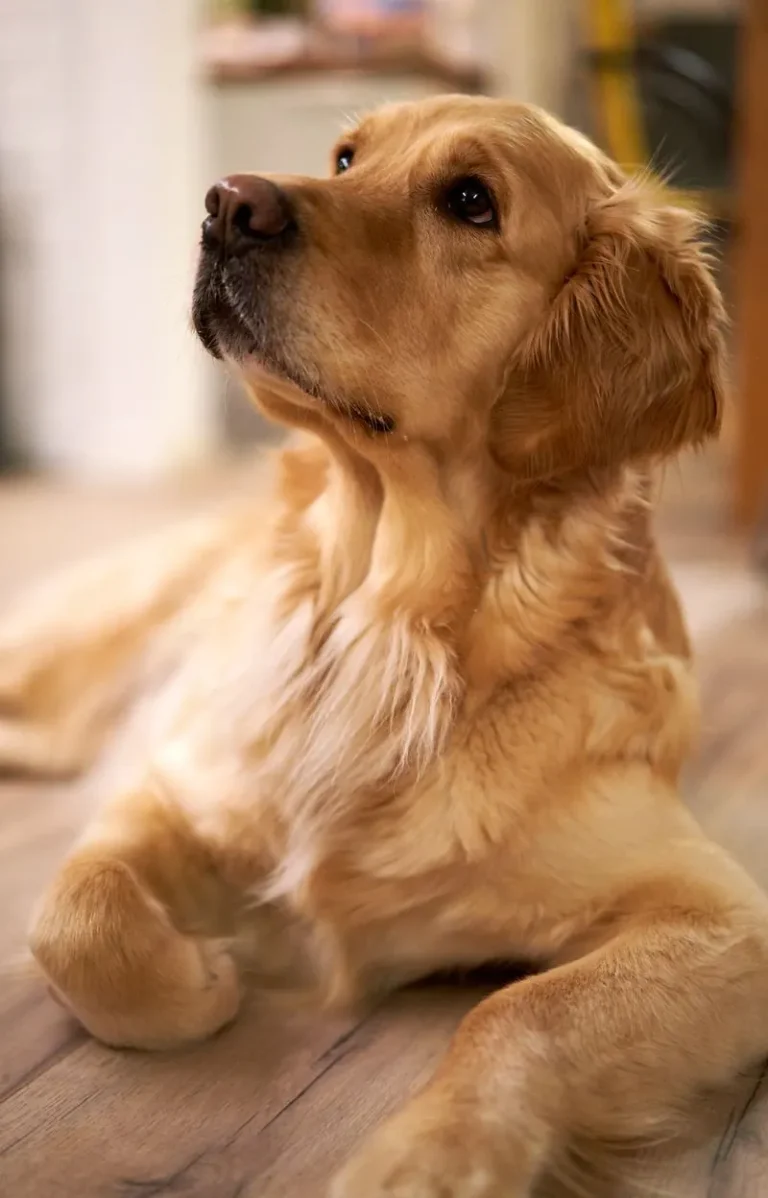
A Mini Goldendoodle is a Goldendoodle bred to a smaller size. One parent is a Golden Retriever, the other a Miniature Poodle — occasionally a Toy Poodle in the smallest lines. The Golden side brings the easygoing, people-loving nature; the Poodle side brings sharp intelligence and a coat that sheds far less than a purebred Golden’s. Because this is a mix, no two puppies are identical: coat, size, and energy level can vary within the same litter — one reason generations, covered below, matter.
A Designer Hybrid, Not a Purebred
The Mini Goldendoodle is a designer hybrid, not a purebred breed. The AKC does not recognize Goldendoodles of any size, so there is no official breed standard or registration. Smaller registries and the Goldendoodle Association of North America (GANA) track pedigrees, but coverage is voluntary.
For buyers, two things follow. Quality depends almost entirely on the individual breeder, since no governing body enforces a standard. And predictability is lower than with a purebred: good lines narrow the surprises, but no one can guarantee an exact adult size or coat type.
History and Origin of the Breed
Goldendoodles first appeared in the 1990s, during the wave of deliberate Poodle crosses bred in North America and Australia. Breeders wanted a family dog with the Golden Retriever’s temperament and a lighter-shedding coat, and the standard-size crosses proved extremely popular.
The mini version followed a simple logic: many families loved the dog but lived in apartments, or wanted a smaller, more portable pet. By crossing Golden Retrievers with Miniature Poodles, and breeding smaller Goldendoodles to smaller Poodles over generations, breeders brought the size down.
Mini Goldendoodle vs. Standard Goldendoodle
The two dogs share the same parent breeds and basic temperament. The differences are size, cost of care, and how much space the dog asks of you.
| Mini Goldendoodle | Standard Goldendoodle | |
|---|---|---|
| Height | 13–20 inches | Over 21 inches |
| Weight | 15–35 pounds | 51 pounds and up |
| Lifespan | 10–15 years (often the longer end) | Typically a little shorter |
Other Names and Labels
You will see the same dog sold under several names. Miniature Goldendoodle is the most common alternative, and in Australia the cross is widely called a Groodle. Size labels such as petite, micro, and toy describe smaller versions of the same mix rather than separate breeds, and generation labels like F1 and F1B describe the breeding, not the size. All of these are breeder and marketing terms.
Mini Goldendoodle Size and Appearance
How Big Do Mini Goldendoodles Get?
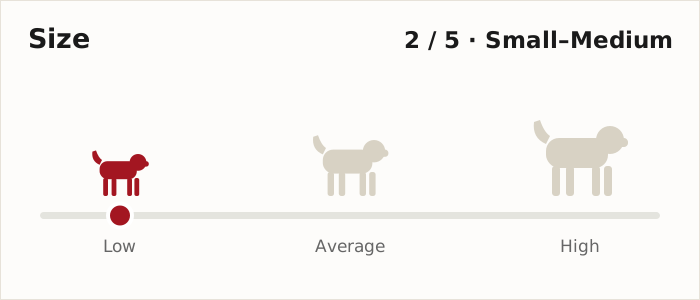
Most Mini Goldendoodles stand 13–20 inches at the shoulder and weigh 15–35 pounds fully grown. That is a wide range, and the biggest factor is the Poodle parent: a Miniature Poodle parent produces a dog at the larger end, while a Toy Poodle in the line brings puppies toward the petite end. Most minis reach full height by about 11–13 months, then fill out with muscle and coat. Treat a breeder’s estimated adult weight as an educated guess, not a promise.
GANA’s size ladder:
| Size class | Height | Weight |
|---|---|---|
| Petite | Below 14 inches | Up to 25 pounds |
| Miniature | 14–17 inches | 26–35 pounds |
| Medium | 17–21 inches | 36–50 pounds |
| Standard | Over 21 inches | 51 pounds and up |
Note that “mini” is used loosely: many dogs sold as Mini Goldendoodles fall into the petite or miniature classes above, and some heavier “minis” are really small mediums. Ask for the parents’ heights and weights instead.
Petite, Micro, Toy, and Mini: What the Size Labels Mean
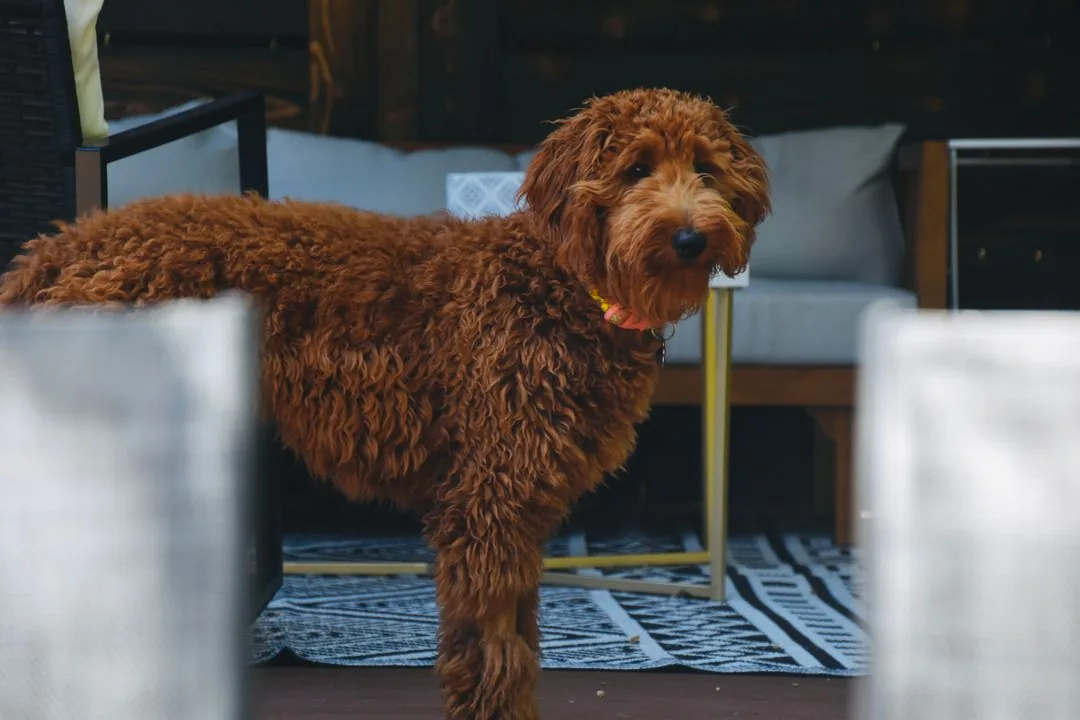
Petite, micro, toy, and teacup are not official categories. They are breeder terms for progressively smaller dogs, usually produced by using Toy Poodles in the cross or by selecting the smallest puppies over generations. A petite mini may weigh 15–25 pounds; micro and teacup dogs are often advertised under 15 pounds.
Smaller is not automatically better. Dogs bred down to the tiniest sizes can carry higher risks of fragile bones, low blood sugar as puppies, and dental crowding. If a breeder’s main selling point is extreme smallness, ask hard questions about health testing first.
Coat Types: Straight, Wavy, and Curly
A straight coat lies flatter, resembles the Golden Retriever’s, and sheds the most of the three types. A wavy coat — sometimes called fleece — has loose waves, is the most common type, and sheds very little. A curly coat, sometimes called wool, forms tighter Poodle-like curls, sheds the least, and is often best for allergy-sensitive homes, though it mats fastest and demands the most brushing.
Colors and Patterns
Mini Goldendoodles come in cream, gold, apricot, and red — the most requested shades — as well as chocolate, black, and white. Patterns add variety: parti dogs are white with patches of another color, merle dogs have a mottled, marbled pattern, and phantom dogs carry tan points on a darker base. Merle needs a caution: the merle gene does not occur naturally in Golden Retrievers or Poodles, so it reaches a Goldendoodle line only through outside breeding, and breeding two merle dogs together can produce puppies with hearing and vision problems. If a breeder offers merle puppies, ask exactly how the pattern was produced.
One surprise for new owners: the color you bring home may not be the color you end up with. Poodle genes often cause “clearing,” where a deep red or rich apricot puppy fades to lighter cream or beige as an adult. Choose on health and temperament first.
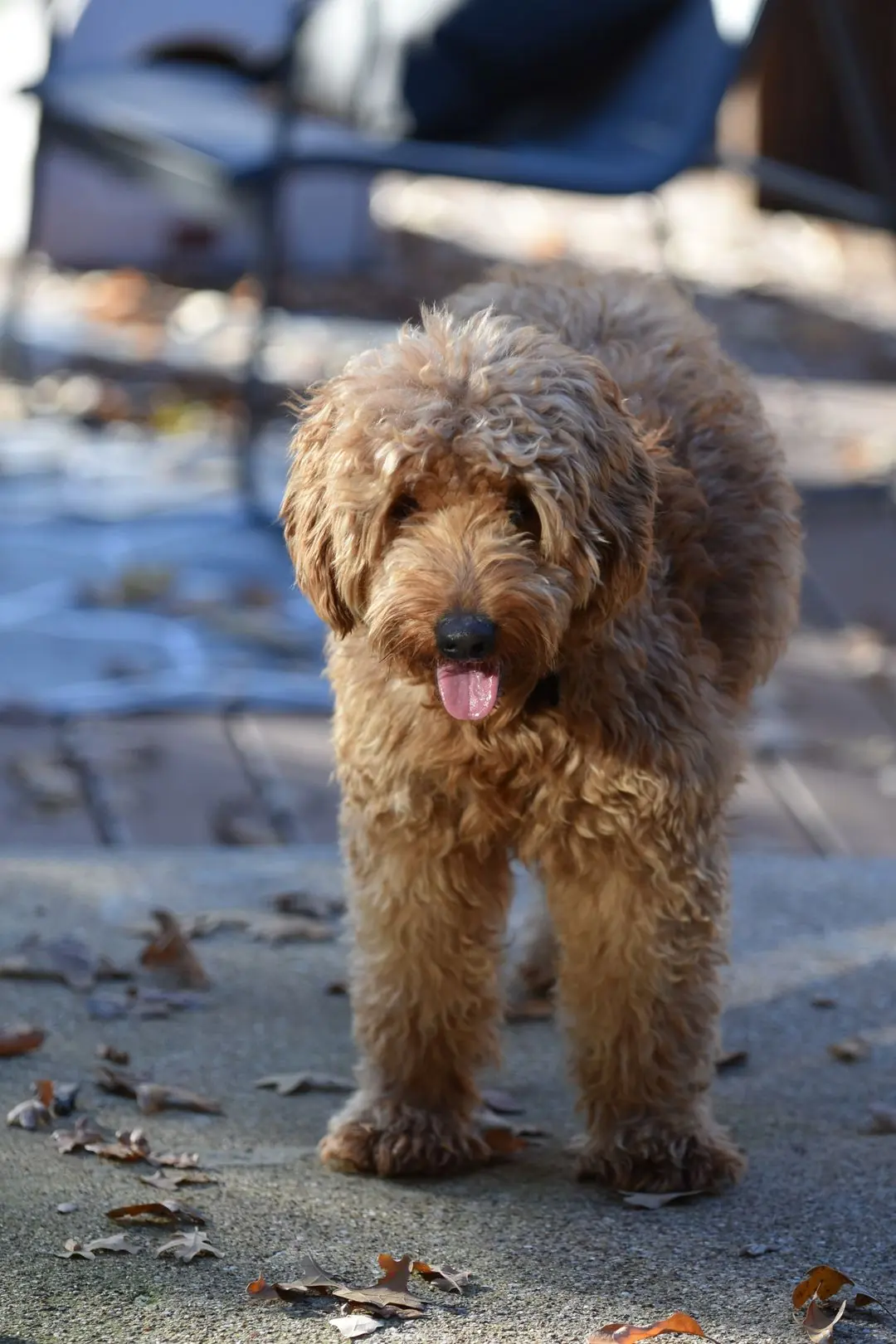
The Teddy-Bear Look
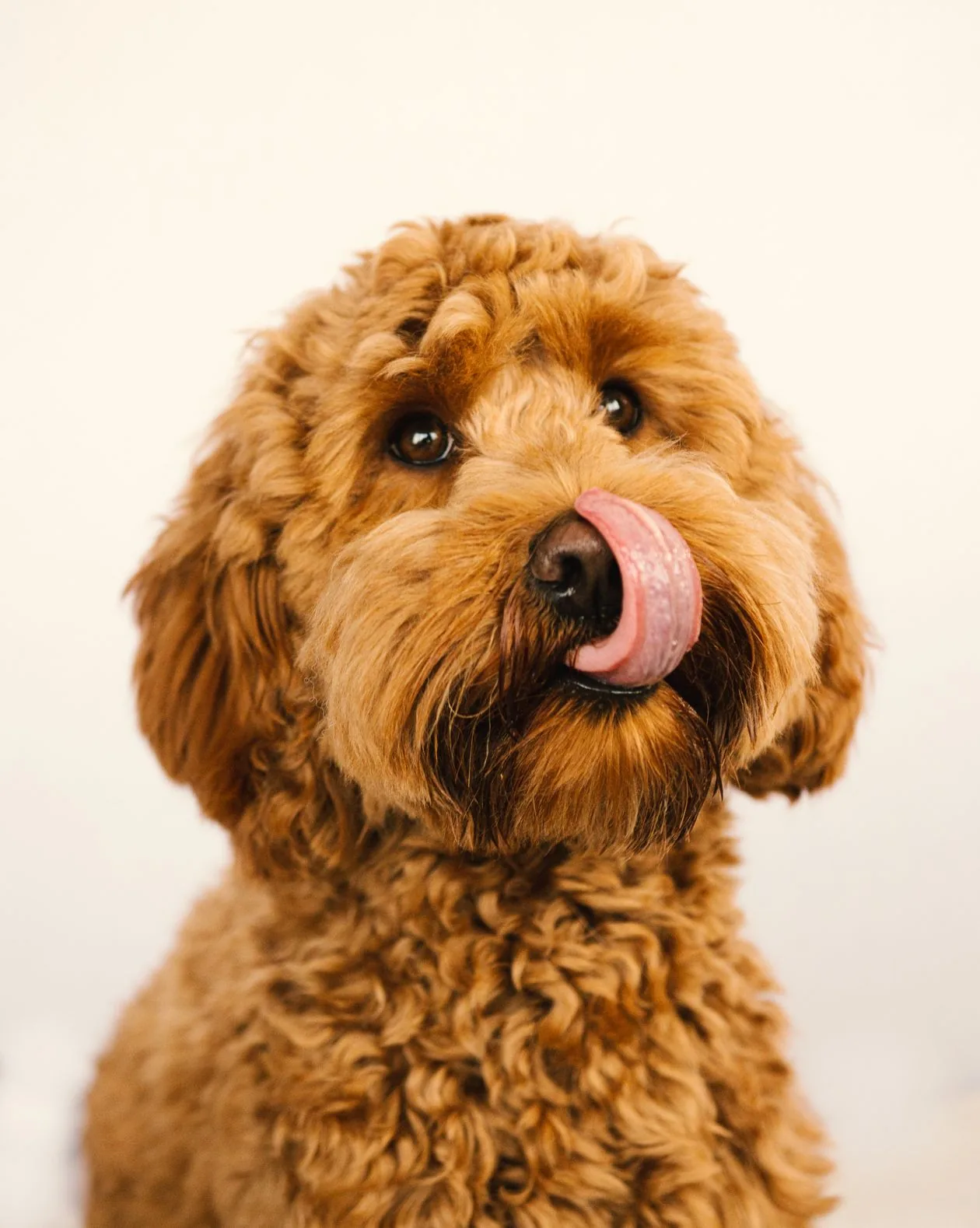
The famous teddy-bear appearance comes from a sturdy build, a rounded face with a soft expression, a medium-length muzzle, and long, floppy ears that frame the head. The tail is carried with a gentle curve, and a slightly shaggy coat completes the stuffed-animal look.
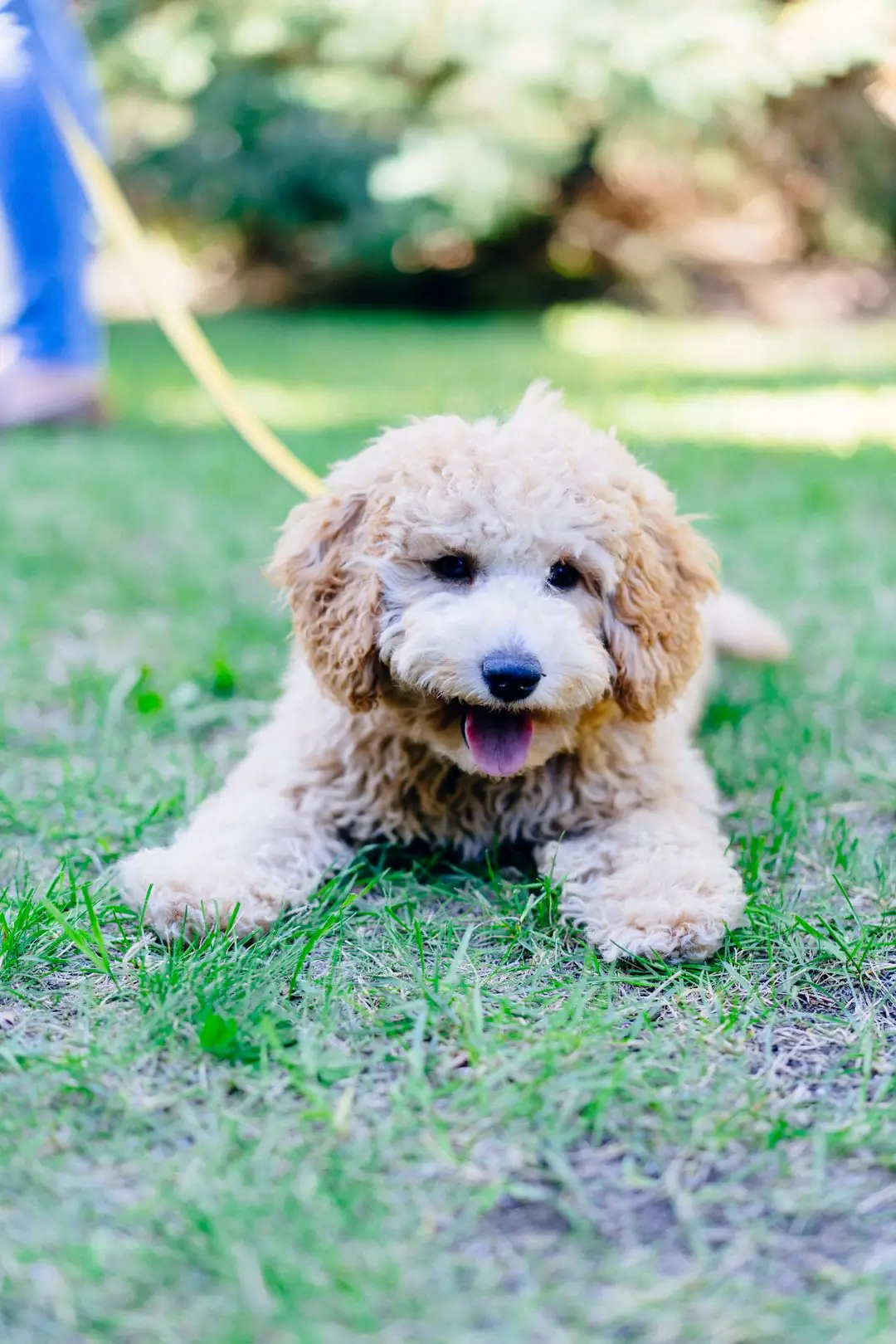
Mini Goldendoodle Generations Explained
F1 Mini Goldendoodle
An F1 is a first-generation cross: one parent is a purebred Golden Retriever, the other a purebred Miniature Poodle, making the puppy 50% of each. F1 coats are usually wavy, shedding is low but not zero, and size and appearance vary most in this generation.
F1B Mini Goldendoodle
An F1B is a backcross: an F1 Goldendoodle bred back to a Poodle, producing a puppy that is roughly 75% Poodle and 25% Golden Retriever. F1B coats are typically curlier and shed the least, which is why F1B puppies are the most sought after — and often the most expensive.
F1BB, F2, and Multigenerational
An F1BB puppy comes from an F1B bred back to a Poodle again, reaching roughly 87.5% Poodle; these dogs usually have the curliest, lowest-shedding coats of all. An F2 comes from crossing two F1 Goldendoodles, which keeps the mix at about 50/50 but gives the widest variation in coat — some F2 puppies inherit a straighter, shedding coat. Multigenerational (multigen) dogs come from Goldendoodle-to-Goldendoodle breedings beyond F2, and established lines can be quite consistent.
| Generation | Mix | Coat | Shedding |
|---|---|---|---|
| F1 | 50% Golden Retriever / 50% Poodle | Wavy | Low |
| F1B | 25% Golden / 75% Poodle | Wavy to curly | Very low |
| F1BB | About 12.5% Golden / 87.5% Poodle | Curly | Minimal |
| F2 | 50% / 50% (F1 × F1) | Unpredictable — straight to curly | Variable |
| Multigen | Goldendoodle × Goldendoodle, later generations | Usually wavy to curly | Low to very low |
How Generation Affects Size, Coat, and Shedding
The pattern is simple: the more Poodle in the mix, the curlier the coat and the less the dog sheds — but the more grooming that curly coat needs to prevent matting. The more Golden Retriever, the straighter and easier the coat, with slightly more shedding. Generation does not change core temperament much.
Temperament and Personality
Friendly, Affectionate, and People-Oriented
Ask ten Mini Goldendoodle owners to describe their dog in one word and “friendly” comes up almost every time. This is a dog bred for companionship: they greet their people like long-lost friends, follow them from room to room, and settle happiest within touching distance.
With Children and Families
Mini Goldendoodles are patient, playful, and sturdy enough for family life without being so large they knock toddlers over. Teach young children to handle any dog gently, supervise interactions, and let the dog walk away when it has had enough.
With Other Dogs and Pets
Most Mini Goldendoodles are social with other dogs; early socialization helps them stay that way. With cats and smaller pets, the Golden side can bring a mild chasing instinct, but most minis raised with other animals accept them as family.
Intelligence and Eagerness to Please
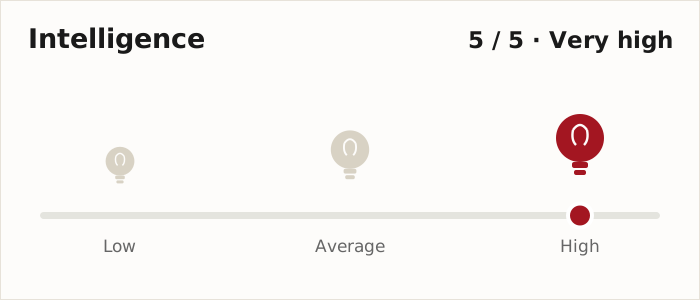
This breed combines two smart parent breeds. Mini Goldendoodles read people well, learn routines quickly, and enjoy working with their owners. The flip side: a clever dog invents its own entertainment when bored — chewed shoes and creative mischief usually signal an understimulated doodle, not a stubborn one.
Strangers and Watchdog Ability
Expect a bark at the doorbell, then a wagging welcome. Mini Goldendoodles are alert enough to announce visitors but far too friendly to back it up. If you want actual protection, this is one of the worst choices you could make — and most owners count that as a plus.
Separation Anxiety and Attachment Needs
The devotion that makes these dogs wonderful companions comes with a real cost: Mini Goldendoodles are prone to separation anxiety. Long hours alone can lead to barking, destructive chewing, or house-training setbacks. Teach alone time gradually from the first week, building short departures into the routine. Adults do best where someone is around much of the day, or where a walker, daycare, or a second pet fills the gaps.
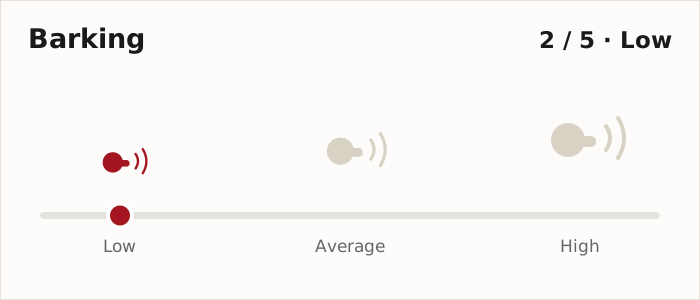
Do Mini Goldendoodles Bark a Lot?
Not usually. Most bark with a purpose — a stranger at the door, an unusual noise, excitement during play — rather than continuously. Bored or anxious dogs bark more, so training a “quiet” cue early, plus enough exercise and company, keeps barking reasonable for most homes.
Are Mini Goldendoodles Hyper?
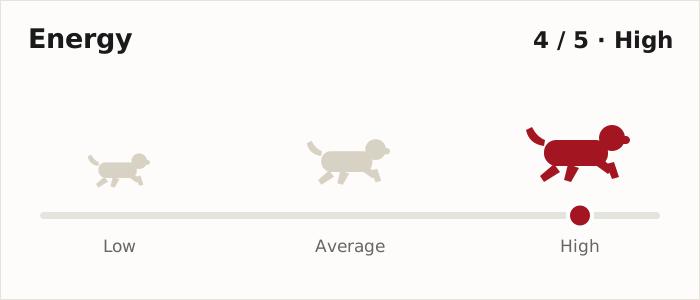
They are energetic, especially as puppies and young adults, but “hyper” is usually a management problem rather than a temperament flaw. A Mini Goldendoodle that gets its daily walk, some play, and a job for its brain settles well in the house.
Exercise and Training

How Much Exercise Does a Mini Goldendoodle Need?
Plan on 30–60 minutes of exercise a day for an adult, split between walks and active play, plus mental work like training games and puzzle feeders. Puppies need less structured exercise — short, frequent play and brief walks, protecting growing joints from long runs. Seniors still benefit from gentle daily walks.
Are Mini Goldendoodles Easy to Train?
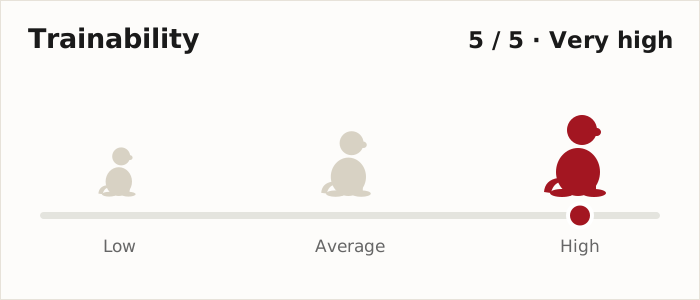
Yes — this is one of the easiest breeds for a beginner to train, provided you are consistent. They are intelligent, food-motivated, and eager to please, so training comes quickly with positive reinforcement. Harsh corrections are unnecessary and can make a sensitive doodle anxious.
Training and Socialization Tips
Start socialization in the first weeks: calm exposure to people, surfaces, sounds, and other vaccinated dogs builds a confident adult. Practice alone time in small doses so independence becomes normal. Get your puppy used to brushing, ear checks, and paw handling from the start — a dog that cooperates at the groomer is worth the early effort.
Feeding Your Mini Goldendoodle
How Much Should a Mini Goldendoodle Eat?
Most adult Mini Goldendoodles eat about 1–2.5 cups a day, split into two meals. The right amount depends on weight, age, activity, and the food’s calorie density, so treat the table below as a starting point and adjust to keep your dog at a healthy weight.
| Adult weight | Approximate food per day |
|---|---|
| 15 pounds | 1–1.5 cups |
| 25 pounds | 1.5–2 cups |
| 35 pounds | 2–2.5 cups |
Puppy Feeding Schedule
From about 8–12 weeks, feed 4 small meals a day; from 3–6 months, 3 meals; from around 6 months onward, most puppies move to the adult pattern of 2 meals a day. Choose a food formulated for puppies, and switch foods gradually over a week.
Treats and Weight Watch
Keep treats under about 10% of daily calories: use part of the day’s kibble as treats instead of adding extras. Check weight with your hands, not just your eyes — under all that coat, you should feel ribs with a light press and see a waist from above.
Grooming and Coat Care
Brushing and Everyday Coat Maintenance
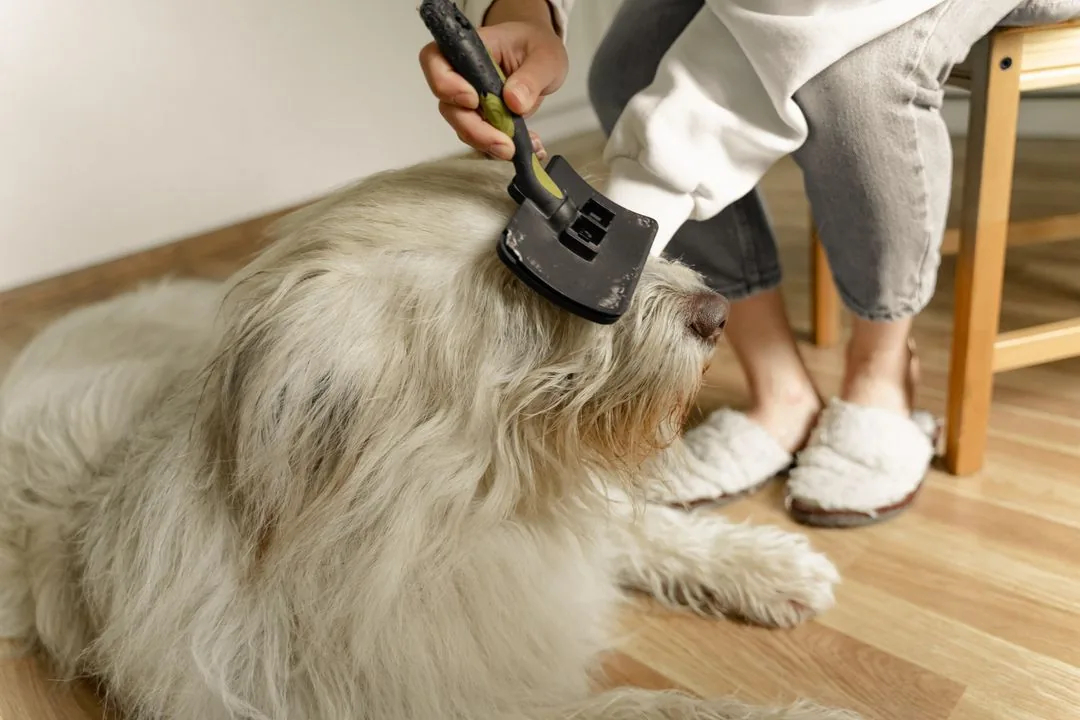
The low-shedding coat does not maintain itself. Brush 3–4 times a week with a slicker brush followed by a metal comb, working down to the skin, where mats form — behind the ears, under the collar, and in the armpits. Matting is the number one grooming problem in this breed, and a severely matted coat often has to be clipped short.
Professional Grooming and Haircuts
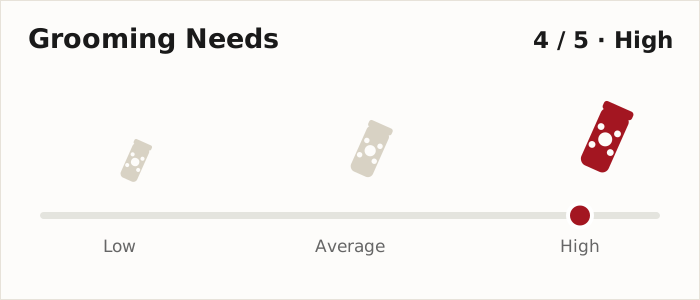
Most minis need a professional groom every 4–8 weeks. The classic teddy bear cut keeps the body at an even, plush length with a rounded face; shorter puppy cuts and kennel cuts are lower maintenance and better for swimmers and mud enthusiasts.
Bathing, Ears, Nails, and Teeth
Bathe every 4–8 weeks with a dog shampoo; over-bathing dries the skin. Check and clean the ears about once a month — floppy ears trap moisture, so ears that smell odd or look red need a vet visit. Trim nails every 2–4 weeks. Brush teeth several times a week with dog toothpaste to slow tartar buildup in a small mouth.
Shedding and Allergies
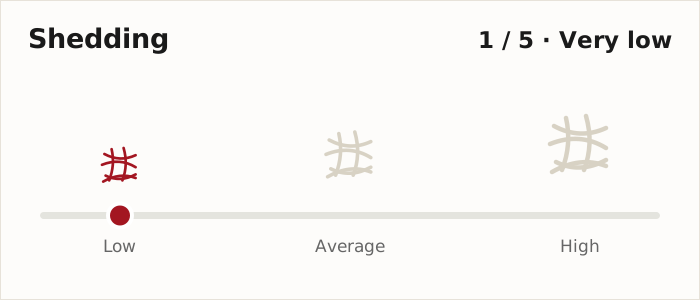
Do Mini Goldendoodles Shed?
Very little, compared with most breeds. Shed hair mostly gets caught in the coat itself rather than dropping around the house — which is why regular brushing matters, since trapped hair becomes mats. How little a dog sheds depends on generation and coat type: straighter F1 coats shed the most; curly F1B coats shed the least. No Mini Goldendoodle is completely shed-free.
Are Mini Goldendoodles Hypoallergenic?
No dog is 100% hypoallergenic. Allergies are triggered mainly by dander and saliva proteins, not just loose hair, and every dog produces them. Mini Goldendoodles spread less loose dander than heavy-shedding breeds, so many people with mild allergies do well with one — especially a curly-coated F1B. If allergies are why you are choosing this breed, test it by spending real time with Mini Goldendoodles before committing.
Health and Lifespan
Common Health Problems
A Mini Goldendoodle can inherit health conditions from either parent breed. The most common:
- Hip dysplasia: the hip joint forms poorly, leading to pain and arthritis; keeping the dog lean reduces the strain.
- Progressive retinal atrophy (PRA): an inherited eye disease that gradually causes blindness; DNA testing can detect it before breeding.
- Patellar luxation: the kneecap slips out of place, common in smaller breeds.
- Skin allergies: Goldendoodles are prone to itchy, allergy-driven skin problems.
- Ear infections: those lovely floppy ears trap moisture, especially after swimming.
- Hypothyroidism: an underactive thyroid that causes weight gain and coat problems.
A few risks run in the parent breeds — cancer and heart conditions in Golden Retrievers, Addison’s and von Willebrand disease in Poodles. That is why health testing matters: these problems do not disappear just because a dog is a mix.
How Long Do Mini Goldendoodles Live?
The average Mini Goldendoodle lifespan is 10–15 years. Smaller dogs generally outlive larger ones, so minis often reach the upper end of the Goldendoodle range when they come from tested lines and stay at a healthy weight.
Health Tests a Breeder Should Show You
Expect current paperwork for both parents: hip scores (OFA or PennHIP), a CAER eye examination, a DNA panel covering PRA and other breed-relevant conditions, and cardiac screening where available. A breeder who answers questions with documents is the standard you are paying for.
Mini Goldendoodle Price and Cost of Owning
How Much Does a Mini Goldendoodle Cost?
From a reputable US breeder, Mini Goldendoodle puppies typically cost $2,000–$4,000, and some lines run higher — multigenerational mini lines with full testing can reach $5,000 or more. Prices vary with generation (F1B and multigen cost more than F1), coat, color, and region. What you are paying for is health testing, careful early raising, and a breeder who screens parent dogs. Very cheap puppies usually mean skipped testing.
First-Year and Yearly Costs
Beyond the purchase price, budget for the first year and beyond:
| Cost item | Typical range |
|---|---|
| Puppy price | $2,000–$4,000 |
| First-year supplies (crate, bedding, bowls, leash, toys) | $300–$600 |
| Initial vet visits and vaccinations | $300–$500 |
| Spay / neuter | $200–$600 |
| Food (per year) | $400–$700 |
| Professional grooming (per year) | From $500 upward — regular grooms every 4–8 weeks |
Adoption and Rescue Option
Mini Goldendoodles are rarely surrendered, but they do appear — owner allergies and lifestyle changes are the common reasons. Check doodle-specific rescues such as IDOG Rescue and the Doodle Rock Rescue, local shelters, and breed-rescue listings. Adult dogs are also rehomed by breeders from time to time. Adoption typically costs a few hundred dollars instead of a few thousand.
How to Choose a Reputable Breeder
Five Things to Verify Before You Pay a Deposit
- Health test documents. Ask to see OFA or PennHIP hip results, CAER eye exams, and DNA panel results for both parents — actual documents, not verbal assurances.
- See the mother. Meet the mother dog and see where the puppies are raised; be cautious if a breeder will not show you either.
- Early socialization. Puppies raised in a home with normal household sights and sounds adjust better than kennel-raised puppies.
- A written health guarantee. Reputable breeders guarantee against serious genetic defects, typically for at least two years.
- A two-way interview. Good breeders question you about your home, schedule, and experience. One who sells to anyone with a credit card is a red flag.
Preparing Your Home and the Right Crate Size
Before bringing your puppy home: set up a crate (for most minis, a 30- to 36-inch crate with a divider that grows with the puppy), secure loose cables, move chemicals and small chewable objects out of reach, and decide where the puppy will toilet. A car harness or secured carrier keeps the ride home safe.
Is a Mini Goldendoodle Right for You?
Pros and Cons
| Pros | Cons |
|---|---|
| Friendly, people-loving temperament | Needs company — prone to separation anxiety |
| Very low shedding | High grooming effort and ongoing grooming cost |
| Highly trainable, good for beginners | Needs daily exercise and mental stimulation |
| Good size for houses and apartments | Puppy price is high from reputable breeders |
| Long lifespan for a dog this popular | Coat mats quickly if brushing slips |
| Gets along well with kids and other dogs | Puppies can be mouthy and bouncy |
Good for First-Time Owners and Apartments?
Yes to both, with one honest condition. For first-time owners, this is one of the most forgiving breeds available — trainable, tolerant, and eager to please. For apartments, the size and moderate barking fit well. The condition is your schedule: a Mini Goldendoodle left alone for long stretches will be unhappy, and an unhappy doodle is loud and destructive. If your work keeps you out 10 hours a day with no plan for the dog, no breed fixes that.
Common Misconceptions, Debunked
“Hypoallergenic means I won’t react.” No dog is allergen-free; this breed simply sheds less dander around. Test with real exposure first, especially if allergies are the reason you are buying.
“Low-shedding means low-maintenance.” The coat that does not fall out is the coat that mats. Budget the grooming time and money from day one.
“A mini dog needs less exercise.” Mini describes size, not energy. These are active, athletic dogs that need their daily outing.
Similar Breeds to Consider
If you like the Mini Goldendoodle but want options: a Miniature Poodle (purebred, predictable, similar coat care), a Cavapoo (smaller and lower energy), a Mini Bernedoodle (calmer, heavier build), or a Cockapoo (long-established spaniel-poodle mix).
Mini Goldendoodle FAQs
Are Mini Goldendoodles purebred?
No. A Mini Goldendoodle is a cross between a Golden Retriever and a Miniature Poodle, not a recognized purebred breed. Kennel clubs like the AKC do not register them.
Are Mini Goldendoodles good dogs?
For most families, yes: friendly, affectionate, smart, and playful. They suit owners who have time for daily exercise, grooming, and companionship.
How big is a Mini Goldendoodle?
Most stand 13–20 inches tall at the shoulder and weigh 15–35 pounds as adults.
What is the cost of a Mini Goldendoodle?
From a reputable US breeder, puppies typically cost $2,000–$4,000, and some multigenerational lines cost more.
Do Mini Goldendoodles bark a lot?
Not typically. They bark at triggers like doorbells and strangers, but barking stays reasonable with training, exercise, and enough company.
Are Mini Goldendoodles hyper?
They are energetic, especially when young, but not usually hyper with enough daily exercise and mental stimulation.
How long do Mini Goldendoodles live?
About 10–15 years on average, often toward the upper end from healthy, tested lines.
How often should a Mini Goldendoodle be groomed?
Brush at home 3–4 times a week and book a professional groom every 4–8 weeks.
Are Mini Goldendoodles good for first-time owners?
Yes, they are one of the most beginner-friendly breeds: intelligent, eager to please, and responsive to positive training.
What are the disadvantages of a Mini Goldendoodle?
High grooming needs, a high purchase price, and a real risk of separation anxiety. They need an owner who is home a good part of the day.
Is it better to get a male or female Mini Goldendoodle?
Neither is clearly “better.” Males are often slightly larger and sometimes more exuberant; females can be a bit more independent. Individual temperament and early raising matter far more than sex.
Conclusion
The Mini Goldendoodle earns its popularity honestly: a friendly, clever, low-shedding companion in a size that fits most homes. It asks for things in return — grooming time, daily exercise, training, and above all, your company. Go in with open eyes, choose a breeder who proves health with paperwork, and this breed will pay you back for a decade or more.
Related guides
-
Do Golden Retrievers Shed? How Much, When, and How to Manage It
Yes. Golden Retrievers shed a lot, all year round, with two heavy “coat blow” seasons in spring and fall. Expect daily hair on clothes and furniture, and plan on brushing 3–4 times a week (daily during peak shed). It is manageable — but this is not a low-shedding or hypoallergenic breed.
-
Template Test — Do Golden Retrievers Shed?
Yes — Golden Retrievers shed heavily all year, with two major coat blows in spring and autumn.
-
Hello world!
Welcome to WordPress. This is your first post. Edit or delete it, then start writing!